
How Solar Panels Work
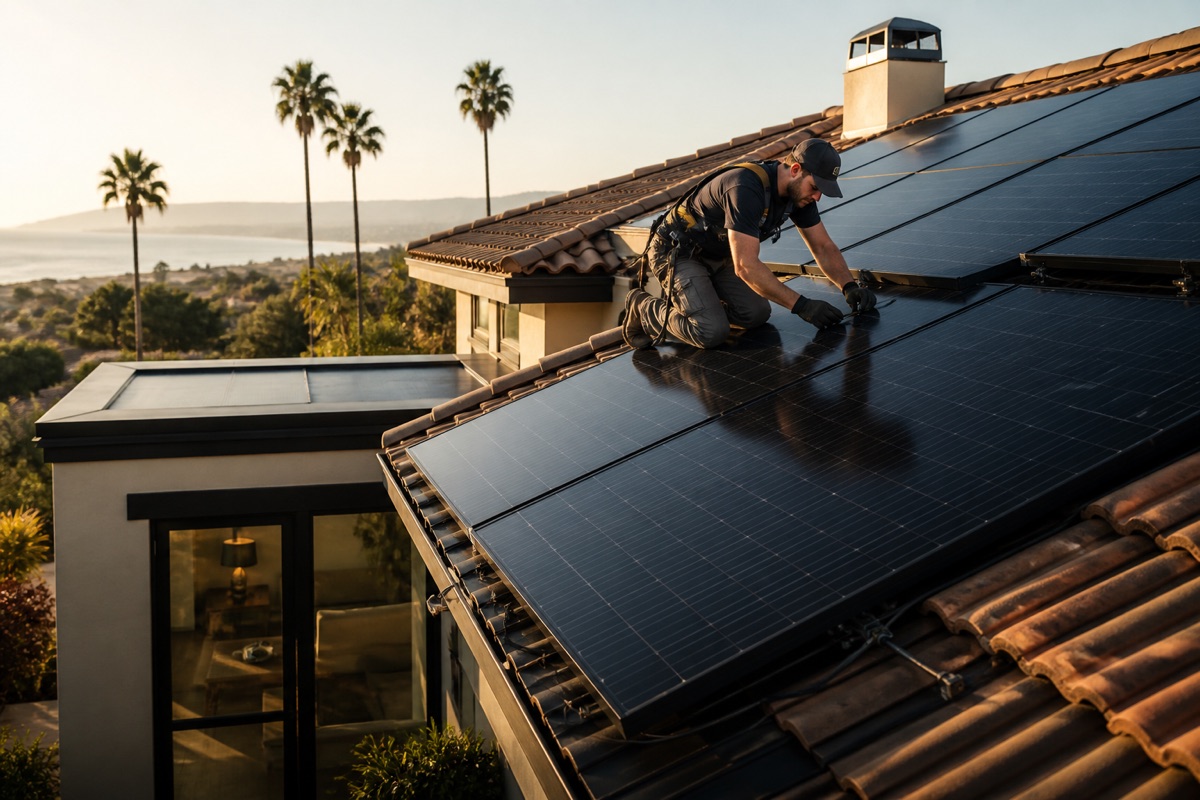
A rooftop solar array may look simple from the street, but several coordinated parts are working together. The panels capture sunlight, power electronics condition that energy for the home, and a meter tracks what the household uses or sends to the grid. Understanding that path makes it easier to compare system designs and provider proposals.
From Sunlight to Direct Current
Each panel contains photovoltaic cells made from semiconductor material. When sunlight reaches a cell, it energizes electrons and creates direct-current electricity. Individual cells are connected inside a weather-resistant module, and multiple modules are wired together as an array.
Panel output depends on more than the printed wattage. Orientation, roof pitch, temperature, shade, equipment quality, and the way panels are electrically connected all influence real-world production. A thoughtful design aims to capture dependable energy across the day rather than focusing only on ideal laboratory output.
Turning Solar Power Into Household Power
Homes use alternating-current electricity, so the direct current produced by panels must pass through an inverter. A single central or string inverter may serve multiple panels, while microinverters are installed at individual panels. Both approaches can work well; the right choice depends on the roof, shade pattern, monitoring preferences, and budget.
After conversion, solar electricity enters the home’s electrical panel and is used by lights, appliances, and other loads. If the array produces more than the home needs at that moment, the excess may flow to the utility grid or into a compatible battery. Local utility rules determine how exported energy is measured and credited.
Design and Installation
Before installation, a provider evaluates the roof, usable area, electrical service, shade, and recent energy history. Designers then model panel placement and prepare plans for permits and utility review. Once approvals and equipment are ready, the physical installation is often completed in a relatively short visit, followed by inspection and permission to operate.
Monitoring Production
Modern systems usually include an app or web dashboard that reports energy production. Seasonal variation is normal: longer days, weather, temperature, and shade can all change output. Monitoring helps homeowners understand those patterns and identify a sustained drop that may deserve an installer’s attention.
The result is a quiet, mostly automatic system that turns daylight into usable household electricity year after year.